When AI Becomes Part of the Creative Process: Who Owns the Work?
Artificial intelligence has quickly become part of the modern creative landscape.
A photographer can use it to remove unwanted objects from an image. A filmmaker can use it to develop storyboards. A songwriter can explore lyrical ideas. A graphic designer can generate concepts in minutes that might otherwise take hours to sketch.
The tools are fast, accessible, and increasingly sophisticated.
However, the use of generative AI in creative work raises a complicated question: if an artist uses AI to produce something, who actually owns the result?
The answer is not straightforward, and depending on how AI was used, the outcome could vary significantly.
How AI Is Currently Being Used in Creative Work
Creative professionals are incorporating AI into their workflows in several ways:
**1. As a brainstorming assistant** Many artists use AI to explore ideas, generate variations, or overcome creative blocks. A designer might ask an AI tool to suggest color palettes. A writer might use it to outline a structure for a story.
**2. As a production tool** Some creators use AI to automate repetitive tasks—cleaning up audio, upscaling images, or generating background elements that would otherwise require significant time investment.
**3. As a primary generator** In some cases, creators use AI as the main tool to produce finished work, providing prompts and making selections but relying on the AI system to generate most of the visual, written, or musical content.
The amount of human input involved in each scenario differs greatly, and that difference matters when it comes to ownership.
The Legal Gray Area
Copyright law generally requires human authorship.
In the United States, the Copyright Office has taken the position that work created entirely by AI—without substantial human creative input—cannot be copyrighted.
That means if someone uses an AI tool to generate an image or text with minimal involvement, they may not have exclusive rights to that output. Anyone else could potentially use the same prompt and generate a nearly identical result.
However, when a creator uses AI as one part of a larger creative process—for example, generating a base image and then significantly modifying it, or using AI-generated text as a starting point for an original essay—the final work may be eligible for copyright protection.
The key factor is the level of human creativity involved.
For working creatives, this creates uncertainty.
If you produce a piece of commercial art that includes AI-generated elements, and a client later discovers that portions of it may not be copyrightable, disputes can arise about ownership, usage rights, and compensation.
The Ethics of Training Data
Even when human input is substantial, another complication exists: the data used to train AI systems.
Most generative AI models have been trained on vast datasets that include copyrighted work—images, text, music, and code—often collected without the explicit consent of the original creators.
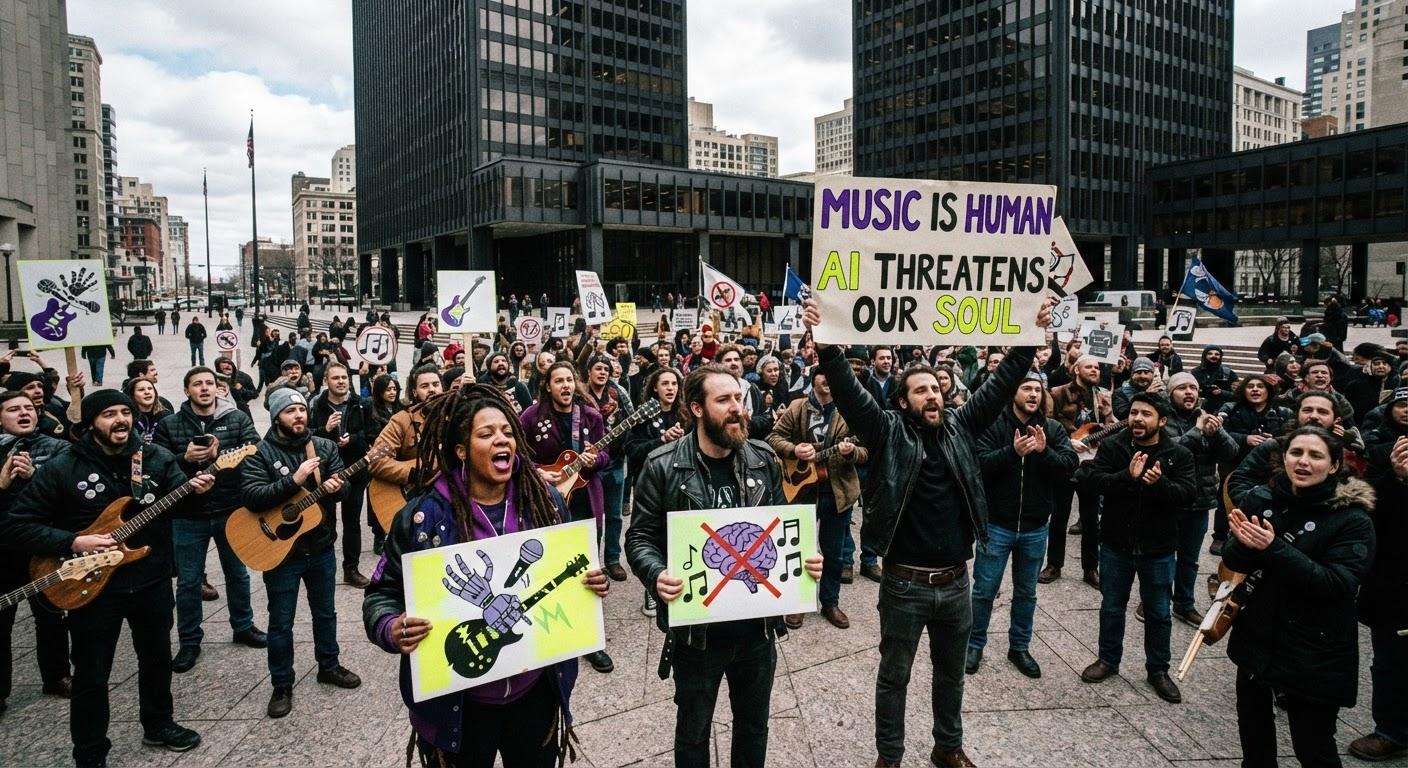
This has led to lawsuits from artists, writers, and musicians who argue that their intellectual property was used without permission to build systems that now compete with them professionally.
For creators considering using AI tools, this raises an ethical question: if the system was built using other people's work without compensation or credit, does using it indirectly contribute to that problem?
Some artists have chosen to avoid AI tools entirely for this reason. Others believe the issue lies with how the technology was developed, not with individual creators who use it responsibly.
What This Means for Independent Creators
If you're a freelance designer, photographer, writer, or musician, the use of AI in your work could affect client relationships, contracts, and your ability to license or sell your creations.
Consider the following:
**Disclose AI usage when necessary.** If a client is purchasing work under the assumption that it is entirely your original creation, and you used AI to generate significant portions of it, that could create legal or professional complications. Transparency can prevent disputes later.
**Understand the terms of service.** Many AI tools have specific usage terms. Some allow commercial use, while others restrict it. Some platforms retain rights to content generated using their tools. Reviewing those agreements is important.
**Recognize the difference between tools and authorship.** Using Photoshop to edit a photo does not make Adobe the author of your image. Similarly, using AI to assist in production does not necessarily mean the AI "created" your work—but the line becomes less clear the more heavily you rely on automated generation.
**Prepare for evolving standards.** Copyright law, client expectations, and industry norms surrounding AI use are all still developing. What is acceptable today may change as courts, professional organizations, and regulatory bodies establish clearer guidelines.
A Tool, Not a Replacement
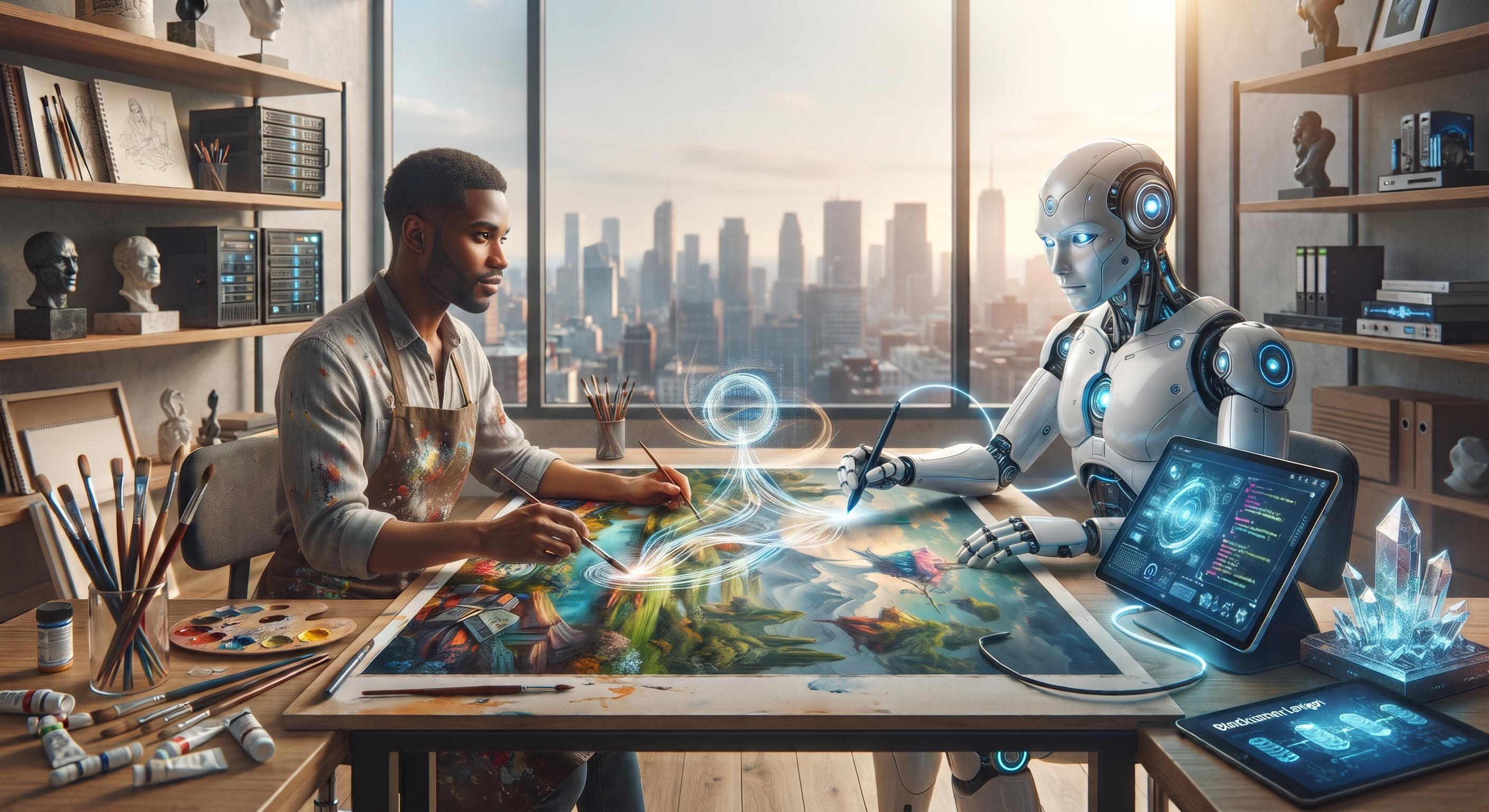
AI can be a powerful tool for creative exploration, production efficiency, and problem-solving.
However, it does not replace the judgment, intention, and artistic vision that professional creators bring to their work.
The challenge is ensuring that as AI becomes more integrated into creative industries, it remains a tool that supports human creativity rather than one that displaces it or undermines the value of creative labor.
For now, creators who choose to use AI tools should do so thoughtfully, with an understanding of the potential legal and ethical implications—and with the recognition that the conversation about ownership, authorship, and fair compensation is far from settled.
At DreamLoud Creative Group, we believe creative professionals deserve clarity, fairness, and control over their work. As AI continues to evolve, it is critical that the systems, policies, and business practices surrounding it reflect the value of human creativity.
Sources and Further Reading: - U.S. Copyright Office – Artificial Intelligence and Copyright - The Verge – The messy legal battle over AI-generated art - Harvard Law Review – Copyright in the Age of Generative AI