The Independent Creator Economy: More Access, More Responsibility
There was a time when pursuing a professional creative career required access to resources that were difficult for independent individuals to obtain.
Recording studios, professional cameras, production teams, distribution networks, marketing departments, and industry connections often determined who could bring a creative vision to life.
Today, much of that has changed.
Independent musicians can distribute music globally. Filmmakers can produce content with relatively affordable equipment. Designers can establish businesses online. Writers can publish directly to audiences without waiting for traditional publishing opportunities.
The barriers to entry have become lower, but building a sustainable career remains a challenge.
The numbers behind independent creativity
The 2026 Independent Music Report, published by Ditto Music, surveyed 5,039 independent artists across 112 countries.
The findings offer an interesting look at the realities of working independently.
Among the respondents: - 74% earned less than $1,000 from music in the previous year. - 43% identified financial constraints as their biggest barrier to career growth. - 67% identified social video platforms as their biggest source of new fans. - 82% said they could not currently afford the expenses associated with touring. - 32% had considered quitting music within the previous 12 months.
Perhaps most importantly, only 29% believed their current music income was sustainable over the next three years.
Read the Independent Music Report 2026
Although these findings focus on musicians, many of the challenges apply to independent creators across different disciplines.
Having the ability to publish something does not guarantee that people will discover it. Having an audience does not necessarily mean that the audience will become paying customers. And having a great product does not automatically create a profitable business.
The difference between being creative and running a creative business
One of the most overlooked challenges of independent creative work is the business responsibility that comes with it.
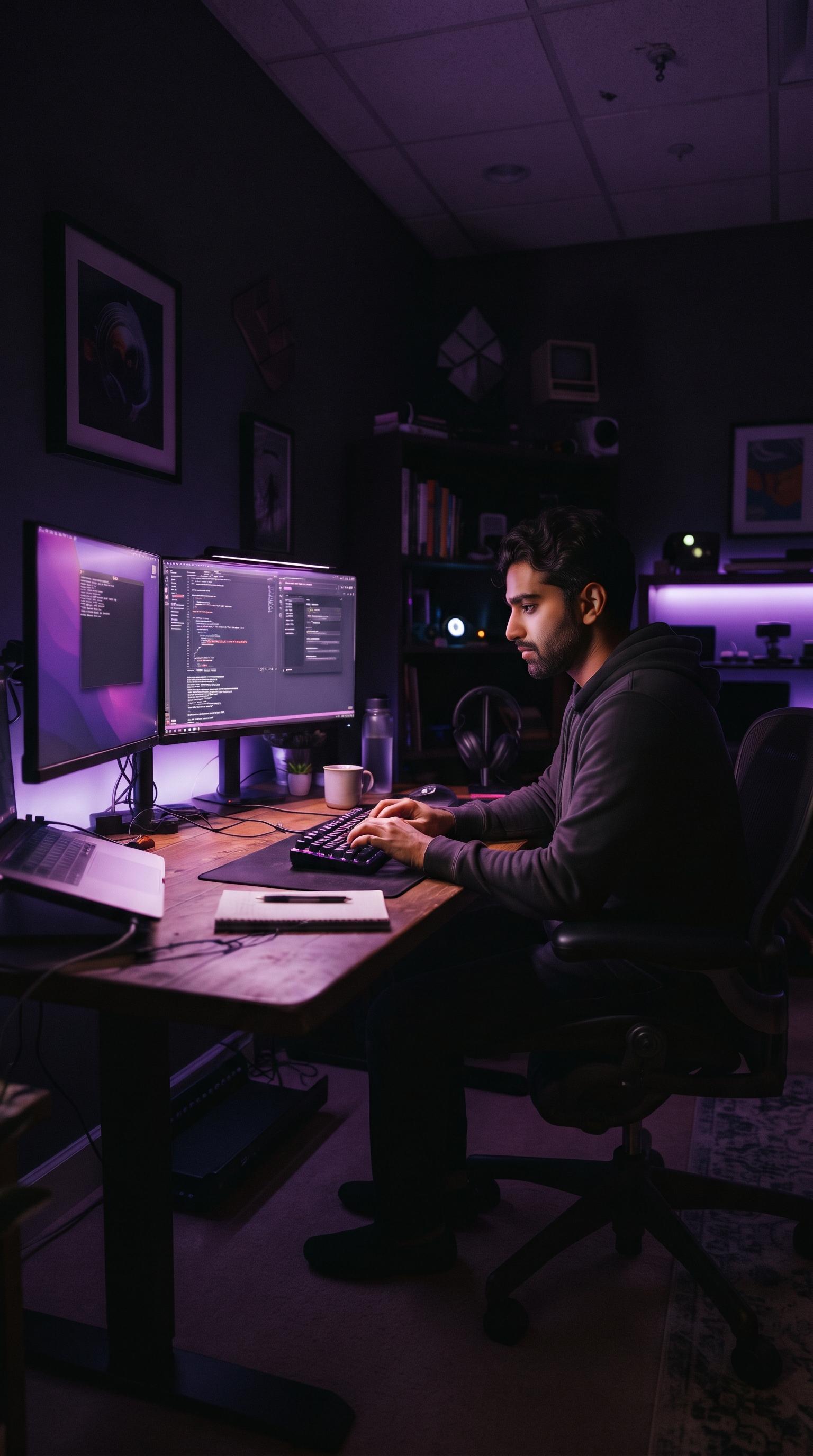
Creators frequently find themselves managing several roles simultaneously: - Producing the actual creative work. - Developing marketing strategies. - Managing social media and audience engagement. - Tracking expenses and income. - Negotiating partnerships and collaborations. - Managing contracts and intellectual property. - Planning future projects and releases.
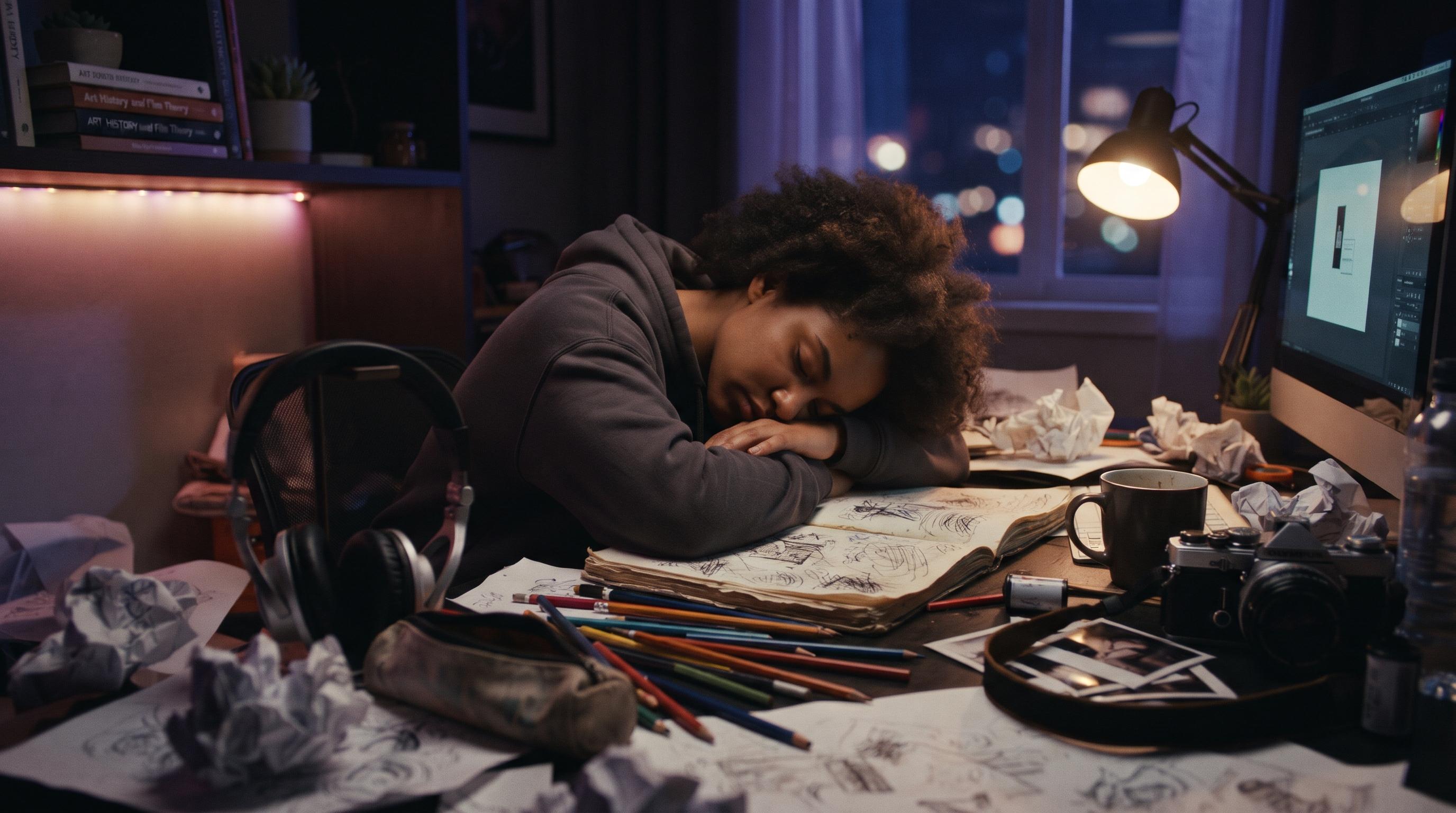
The challenge is that these responsibilities compete for the same limited resource: time.
A creator may spend weeks developing a project only to realize that very little time was allocated to promoting, distributing, or monetizing it.
This is why creative development and business development should be treated as complementary activities rather than competing priorities.
Build something beyond the next release
For independent creators, long-term growth often requires thinking beyond individual projects.
A musician can develop a catalog while building relationships with audiences through live performances, merchandise, licensing, and direct-to-fan opportunities.
A photographer can expand beyond individual bookings by offering workshops, prints, licensing, or educational resources.
A filmmaker can develop a production portfolio while establishing relationships with businesses, organizations, and other creatives.
The objective is not necessarily to pursue every possible revenue stream. It is to identify opportunities that align with the creator's strengths and can realistically be maintained.
Community is an asset
Another important part of independent creative growth is access to community.
Creative relationships can lead to collaborations, referrals, shared resources, professional development, and opportunities that may not be accessible through traditional networking alone.
A supportive creative environment can also provide something less tangible but equally important: the opportunity to exchange ideas, experiment, receive feedback, and develop confidence in unfinished work.
This is one reason accessible creative spaces and professional networks remain important, particularly in communities where artists may not have access to established industry infrastructure.
At DreamLoud Creative Group, we believe independent creators deserve more than the ability to produce content. They deserve opportunities to develop their skills, strengthen their professional relationships, and build sustainable creative practices.
Independence should mean opportunity, not isolation.
The future of the creator economy will not be determined solely by who can produce the most content or accumulate the largest following.
It will also belong to those who learn how to manage their resources, establish meaningful relationships, understand their audiences, and build businesses around the work they genuinely want to create.
Sources and Further Reading: - Ditto Music – The Independent Music Report 2026 - Adobe – 2026 Creators' Toolkit Report - Berklee – In Sync: Music and Video 2026